


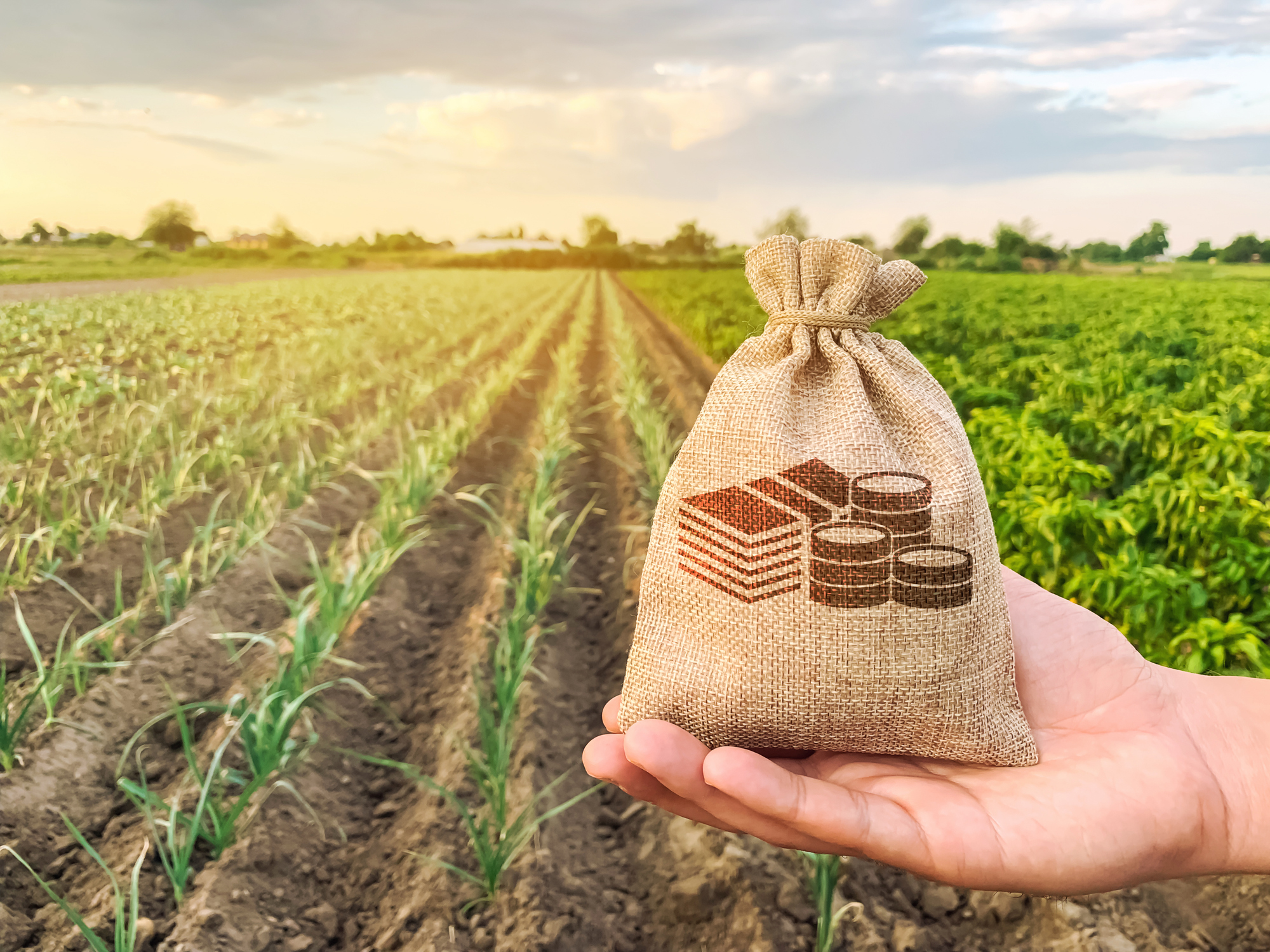
The farmer holds a money bag on the background of plantations. Lending and subsidizing farmers. Grants and support. Profit from agribusiness. Land value and rent. Taxes taxation. Agricultural startups
Buying acreage along the Gulf Coast can be a smart long-term move, but financing land works a little differently than buying a home. In Mobile County, Alabama, lenders usually expect larger down payments, shorter loan terms, and a clear sense of how the property will be used. Vacant land carries more uncertainty than a finished home, so underwriting tends to be stricter and the details matter more.
If you’re thinking about buying land in Alabama, understanding how land financing works—and where buyers often run into challenges—can help you move forward with confidence instead of guesswork.
MOST COMMON WAYS OF FINANCING LAND IN MOBILE COUNTY. ALABAMA
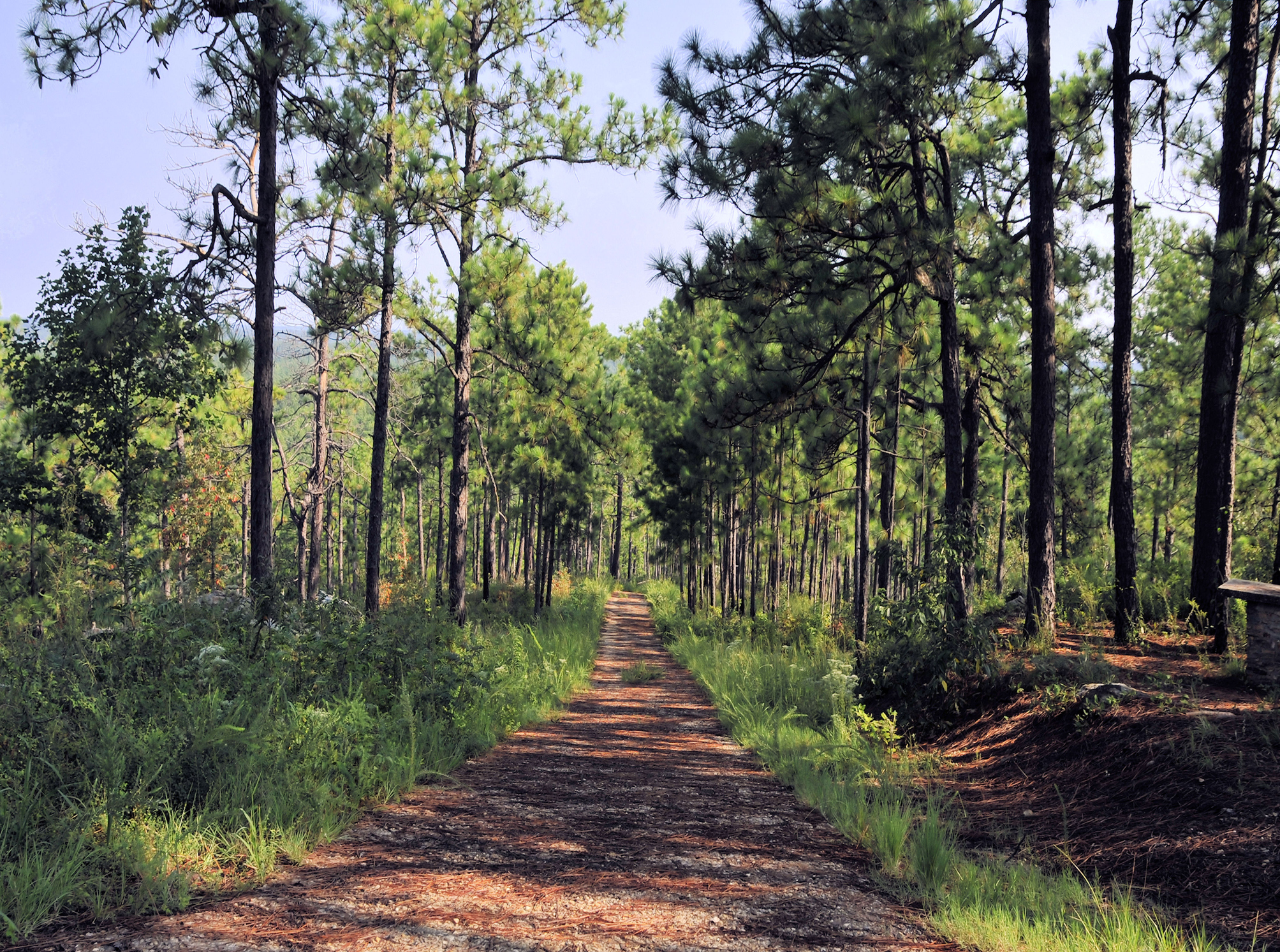
Views from Smith Mountain Alabama
Before choosing a property, it helps to understand how the financing itself shapes your investment. Land loans are structured differently than traditional mortgages, and different financing options carry distinct implications on down payments, timelines, and risk. Whether you’re a long-term investor, a future homebuilder, or a recreational landowner, the right financing strategy often depends on how you intend to use the property and how much flexibility you want to maintain.
When buying land in Alabama, financing generally comes down to one of these options: bank land loans, owner financing, and cash purchases. Understanding how these approaches work will help you align your finances with your land goals, your liquidity, and your overall risk tolerance.
Bank or Credit Union Land Loans
As mentioned earlier, land loans differ from traditional home mortgages because lenders see vacant land as a higher risk.
Banks and credit unions typically require 15–25% down, shorter terms—often 2 to 5 years with balloon payments—and higher interest rates. Approval is easier for improved lots with utilities and clear development plans, as well as for buyers with strong credit and financial documentation. These loans work best for those seeking structure and predictable repayment schedules.
What do lenders look for when financing land?
Lenders tend to evaluate land much as a cautious buyer would. Parcels with paved road access, nearby utilities, and a realistic development path feel more straightforward and carry less perceived risk.
Zoning plays a role, especially when the intended use aligns with local residential or agricultural patterns. Practical details matter too. Legal access, recorded easements, and available water or power can make or break a loan. Environmental considerations—such as flood zones, wetlands, or soil conditions—are often part of the review.
On the buyer side, solid credit, manageable debt, and a realistic down payment go a long way.
Owner Financing
The most flexible option, owner financing allows the seller to act as the lender, with the buyer making monthly payments directly to them. This option is common for rural or undeveloped land for sale in Mobile County, Alabama, bypassing strict bank requirements. Down payments are often lower than bank loans, ranging from 10–20%. Interest rates may be slightly higher but terms are generally longer, running from 5 to 15 years.
With owner financing, nearly every aspect is negotiable, from the down payment and interest rates to repayment schedules. Strong buyers can negotiate competitive rates, especially if they offer:
- A substantial down payment
- Shorter repayment terms
- Strong income documentation
On the other hand, buyers with limited credit or inconsistent income may encounter higher interest rates or larger down payment requirements, since the seller is taking on greater risk. Even so, owner financing can still offer a meaningful opportunity, particularly for those who might not meet the stricter underwriting standards of conventional lenders.
Owner financing is also ideal for unconventional properties that may not qualify for traditional bank financing, such as lots with unusual shapes, landlocked properties, or specialty or niche use land.
Find more information about owner financing here.
Paying Cash for Land
Cash purchases offer immediate ownership, eliminate interest payments, and simplify the closing process. They strengthen negotiating power and allow buyers to secure properties quickly, including off-market deals.
While paying cash is appealing for many investors buying land in Alabama, it may not always be optimal if it depletes liquidity needed for improvements or limits opportunities to leverage funds across multiple properties.
HOW LONG DOES IT TAKE TO FINANCE AND CLOSE ON LAND?

Businessman pressing to trading graph of stock market over green grass field with blue sky, Business investment concept
Closing on land in Mobile County, Alabama, varies depending on how the purchase is financed. Here’s an easy-to-follow breakdown for prospective buyers:
Bank Financing
Financing land through a bank or credit union is typically the longest route to closing. Most transactions take 45 to 60 days or more, as lenders require appraisals, underwriting, and detailed title reviews. On rural or undeveloped parcels, added steps like surveys, environmental checks, or zoning verification can extend the timeline. This approach offers structure and familiarity, but it requires patience and careful coordination.
Owner Financing
Owner-financed land purchases usually move at a faster pace, often closing within two to four weeks. With the seller acting as the lender, buyers can bypass traditional appraisal and underwriting requirements. Terms such as down payment and interest rate are negotiated directly, making this option well suited for unique or undeveloped parcels that don’t fit conventional lending standards.
Cash Purchases
Cash transactions are the fastest option, frequently closing in one to two weeks. Without lender contingencies, the process centers on title work and deed preparation. Cash also strengthens negotiating power, particularly for motivated sellers or properties with added development considerations.
FAQs ABOUT FINANCING A LAND PURCHASE IN MOBILE COUNTY, AL
- Can you get a loan for vacant land in Mobile County, Alabama?
Yes, buyers can finance vacant land using bank or credit union loans, though approval often depends on land type, intended use, and access to utilities. Lenders assess risk carefully, and having a clear development plan improves your chances of approval when buying land in Alabama.
- Is owner financing common when buying land in Alabama?
Yes, owner financing is widely available for rural and vacant parcels. Sellers often allow lower down payments and flexible terms, making this option attractive for buyers who may not qualify for traditional bank loans.
- What credit score is needed to finance land?
Conventional land loans generally require a 650+ credit score, while USDA or FHA options may accept lower scores, depending on property type and buyer profile.
- Do land loans have higher interest rates than home loans?
Yes, lenders charge higher rates for land due to the lack of collateral and higher perceived risk, often several points above standard mortgages.
- Is it better to finance land or pay cash?
Paying cash for land offers faster closings, stronger negotiating leverage, and avoids interest payments, though financing may preserve capital for development or additional investments.
Explore Your Land Options in Mobile County Today
Financing land is achievable with the right strategy and guidance. As rising real estate costs put homes and land out of reach for many buyers, flexible options like low down payments and owner financing open new paths to ownership.
If you’re buying land in Alabama, working with local experts helps align financing with your goals and risk tolerance. Power Real Estate assists buyers in gaining clarity before committing and understanding what truly fits.
Ready to explore your options? Reach out to Power Real Estate by phone at 251.342.0600 or send them an email to book a consultation.