



Acreage alone doesn’t determine how usable a property is. Access, drainage, septic conditions, and parcel layout all need to be carefully considered before buying land.
Vacant land in Mobile County can give you plenty of options, from building a home to keeping animals, adding a workshop, or even recreational purposes. What you can actually build on it, though, depends on the parcel’s location and the local restrictions that may apply.
Before we go through some common use cases, here’s what to do before buying vacant land in Mobile County.
TABLE OF CONTENTS
- Be aware of land use rules in Mobile County, AL
- Building a home or placing a manufactured home
- Using vacant land for animals and recreation
- Adding a workshop, barn, garage, or other structure
- Using vacant land for commercial purposes
- Dividing vacant land into smaller lots
- FAQs about using vacant land in Mobile County, AL
- Local expertise, matched to your plans for vacant land
Be aware of land use rules in Mobile County, AL
The first step to figuring out what you can do with a property is knowing whether the land is located inside a municipality or in unincorporated Mobile County.
Since there’s no zoning in the unincorporated parts of Mobile County, property owners have more flexibility than they may have inside cities with established zoning districts. However, other county requirements can still affect what you’re able to do, including:
- Building permits
- Subdivision requirements
- Drainage standards
- Access requirements
Inside city limits, zoning is more specific. The property’s zoning district determines which residential, commercial, industrial, agricultural, and other uses may be allowed there.
You’ll also want to look at any restrictions tied to the property itself. A manufactured home might be allowed under county rules, for example, but deed restrictions or subdivision covenants could still prohibit it.
Now with that out of the way, what can you legally do with vacant land?
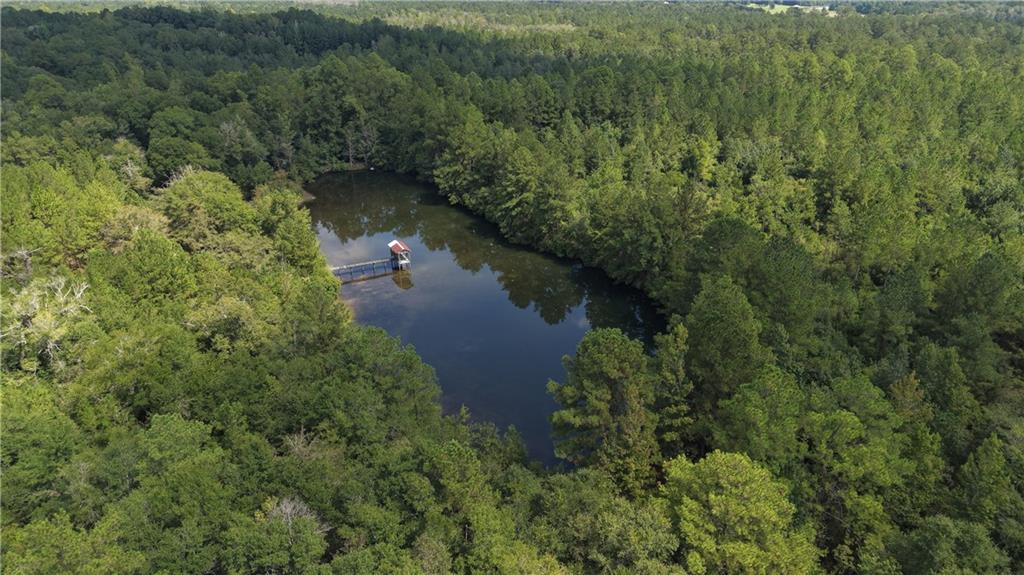
Before buying land in Mobile, confirm what uses are legally allowed and whether restrictions affect what you hope to build.
Building a home or placing a manufactured home
Some vacant parcels in Mobile County can be used for a site-built or manufactured home, but the property still has to support the proposed homesite and meet applicable requirements.
A parcel of land can have plenty of acreage to work with, and still fall short as a homesite. You need enough usable ground for the structure of the house, legal access from the road, and a workable setup for water and sewage.
In unincorporated Mobile County, new construction has to meet county building and permitting requirements. If a public sewer isn’t available, you’ll need an approved onsite septic system, which is permitted and inspected through the Mobile County Health Department.
Manufactured homes come with their own permitting requirements as well. Mobile County’s mobile-home checklist includes:
- Septic information
- A legal property description
- Plumbing and HVAC permits
- Required inspection decals
This guide details what you need to know about buying land for a manufactured home
Using vacant land for animals and recreation

Rural acreage may offer room for horses, trails, hunting, or gardening, but usable ground, fencing, water access, and nearby properties need to be examined.
Vacant land in Mobile County may be used for horses, hunting, gardening, trails, or other outdoor uses, depending on the property and any restrictions that apply.
These are just a few key aspects you need to consider:
- Usable acreage – Wet ground, thick woods, steep or uneven areas, and awkward parcel shapes can reduce how much of the property is practical to use.
- Fencing and water – If you plan to keep animals, look at where fencing could go and whether there’s reliable water.
- Access and surroundings – For hunting or recreation, think about how you’ll reach different parts of the property, where neighboring homes sit, and whether the terrain works for the way you plan to use it.
- Site preparation – Clearing, fencing, road work, and other improvements can add to the cost and effort required to get the property ready.
Adding a workshop, barn, garage, or other structure
If you’re planning a workshop, barn, detached garage, or another outbuilding, you’ll need to know what permits are required and whether the site can accommodate the structure
Mobile County requires permits for most residential and commercial construction, with some limited exceptions. Electrical, plumbing, or HVAC work can also bring additional permit requirements.
Placement matters too. Depending on the property, you may need to work around:
- An existing septic system
- Drainage areas
- Flood-prone ground
Note: If you’re thinking about adding more than one dwelling, there’s an extra county requirement. As a general rule, a third habitable structure on a parcel requires an Engineering Department review to determine whether an engineered site plan is needed.
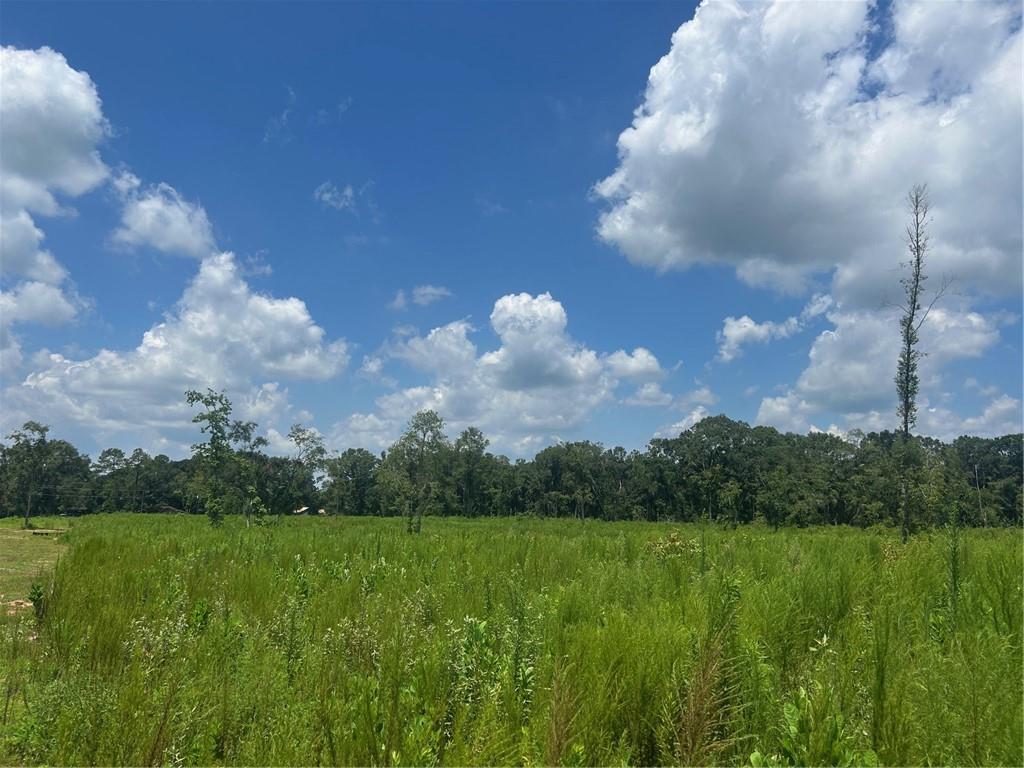
Before buying land in Mobile for commercial development, verify permitted uses, access, utilities, and the cost of preparing the site.
Using vacant land for commercial purposes
Commercial use may be possible on some unincorporated Mobile County land, but the project still has to meet county development requirements.
For commercial development, Mobile County requires an approved engineered site plan before building permits are issued. That detailed review can cover:
- Traffic and driveway access
- Drainage
- Floodplain requirements
- Subdivision rules
- Overall site layout
And even if a parcel isn’t restricted by zoning, that doesn’t mean it’s ready for a workshop, storage facility, service business, or other type of commercial use. A property may need a wider entrance, drainage improvements, additional engineering, or other site work before the project can move forward.
Dividing vacant land into smaller lots

Dividing a larger tract can involve more than drawing new lot lines. Location, road access, and subdivision requirements can all affect how the property may be split.
You may be able to divide a larger tract into smaller lots, but the split may need to go through the subdivision process.
In Mobile County, that can apply even to a fairly simple split along an existing road, not just a large development with new streets and multiple homes.
Who reviews the subdivision depends on where the land is located:
- Inside city limits – The municipality handles the subdivision.
- Outside city limits but within a municipal planning jurisdiction – The local planning commission and Mobile County may both be involved.
- Elsewhere in unincorporated Mobile County – The subdivision goes through the county process.
If you’re buying acreage with plans to sell off part of it, give a lot to a family member, or build several homes, it’s worth checking whether the proposed split would require subdivision approval before moving forward
FAQs about using vacant land in Mobile County, AL
What else can affect how I use vacant land?
Even when your planned use is legally allowed, property-specific conditions can affect what is practical or possible:
- Deed restrictions and covenants may prohibit manufactured homes, animals, businesses, or additional dwellings.
- Septic conditions can complicate a homesite if the soil won’t support the system you need.
- Floodplain and drainage issues can affect where you build and how much site work may be required.
- Road access can become an issue if the property needs a new driveway, culvert, or work within a county right-of-way.
- Site-prep costs such as clearing, grading, utility extensions, or drainage improvements can make an otherwise allowable use too expensive to pursue.
Does no zoning mean I can do whatever I want with land in unincorporated Mobile County?
No. Unincorporated Mobile County doesn’t have zoning, but building permits, development rules, subdivision regulations, floodplain requirements, septic approval, and private deed restrictions can still apply.
Can I put more than one home on the same parcel?
Yes, in some cases. The number of homes a parcel can support depends on factors such as access, septic capacity, parcel layout, and permitting requirements. As a general rule, a third habitable structure on the property triggers review by the Mobile County Engineering Department to determine whether an engineered site plan is needed.
Can I ask and just rely on neighboring property owners when it comes to parcel-specific info?
We recommend that you confirm the requirements for the specific parcel with the appropriate local agencies.
Mobile County Inspection Services can answer building and permitting questions, Planning and Development handles subdivision and development matters, and the Mobile County Health Department oversees onsite septic systems.
A neighboring property may have a manufactured home, several outbuildings, or multiple residences, but it could be subject to different restrictions, permits, access conditions, or septic requirements.
Local expertise, matched to your plans for vacant land
At Power Real Estate, we work with residential lots, acreage, manufactured-home properties, recreational land, and other land throughout Mobile County.
If you’re considering a property and need Accredited land Consultants, we’re the experts you’re looking for.
Get thoughtful guidance on your vacant land purchase. Call us at 251.342.0600 or send us an email.
You can also read our step-by-step guide to buying land for more info on what to expect during the buying process.