


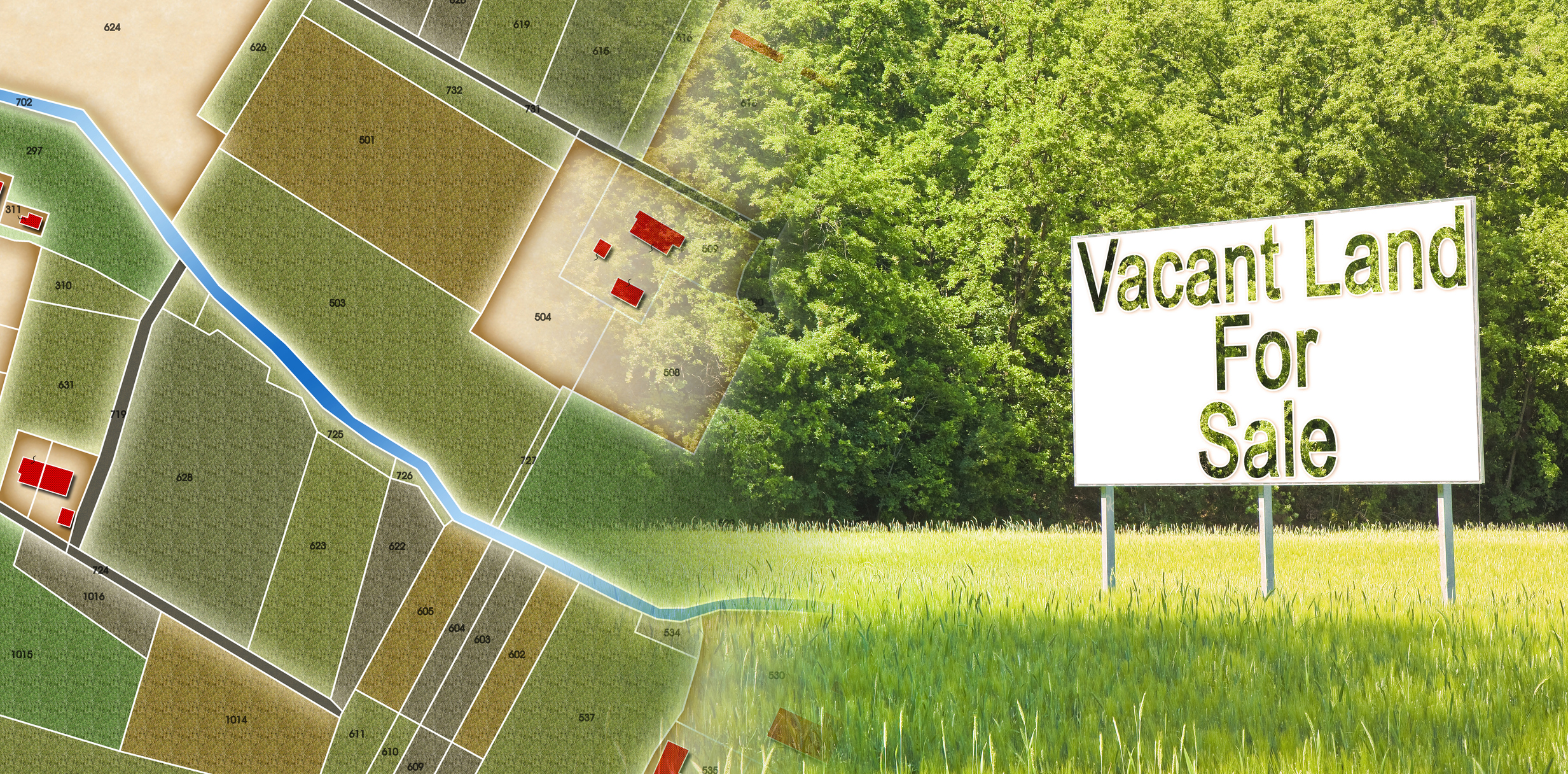
Before you judge a parcel by price or acreage, check all the key details that can make or break your investment — access, drainage, utilities, potential restrictions and more.
A five-acre land listing is an exciting prospect when you’ve got plans to build a home, add a workshop, keep horses, or whatever future plans you have lined up.
However, where exactly you can build, whether you have legal road access, how the land handles water, or what it’ll cost to bring in septic and utilities, may not yet be crystal clear.
If you’re thinking about buying land in Mobile or Baldwin County, you need to know whether the property in question can actually support your plans — and the amount of work it’ll take to get there.
Let’s get into it.
TABLE OF CONTENTS
- Start with what you want to do with the land
- Confirm who has jurisdiction of the property
- Verify the boundaries, road frontage, and legal access
- Assess the ground, not just the map
- Find out whether septic, water, and utilities will work
- Add up what it will cost to make the land usable
- Review the title and contract before your deadline
- FAQs about vacant land in Mobile and Baldwin County, AL
- Buy land in Mobile and Baldwin County, AL with expert guidance
1. Start with what you want to do with the land
Before you get too deep into surveys, permits, or county maps, be clear about how you plan to use the property. A buyer planning a homesite will look at the land differently from someone who wants to place a manufactured home, keep horses, build a workshop, hunt, or eventually subdivide the acreage.
The same five-acre parcel can work well for one buyer and not for another. Your plans will shape what you need to verify next, from zoning and access to septic, utilities, and subdivision rules.
Want to know the specific steps to buying land in Mobile and Baldwin County? Check out our step-by-step guide here.
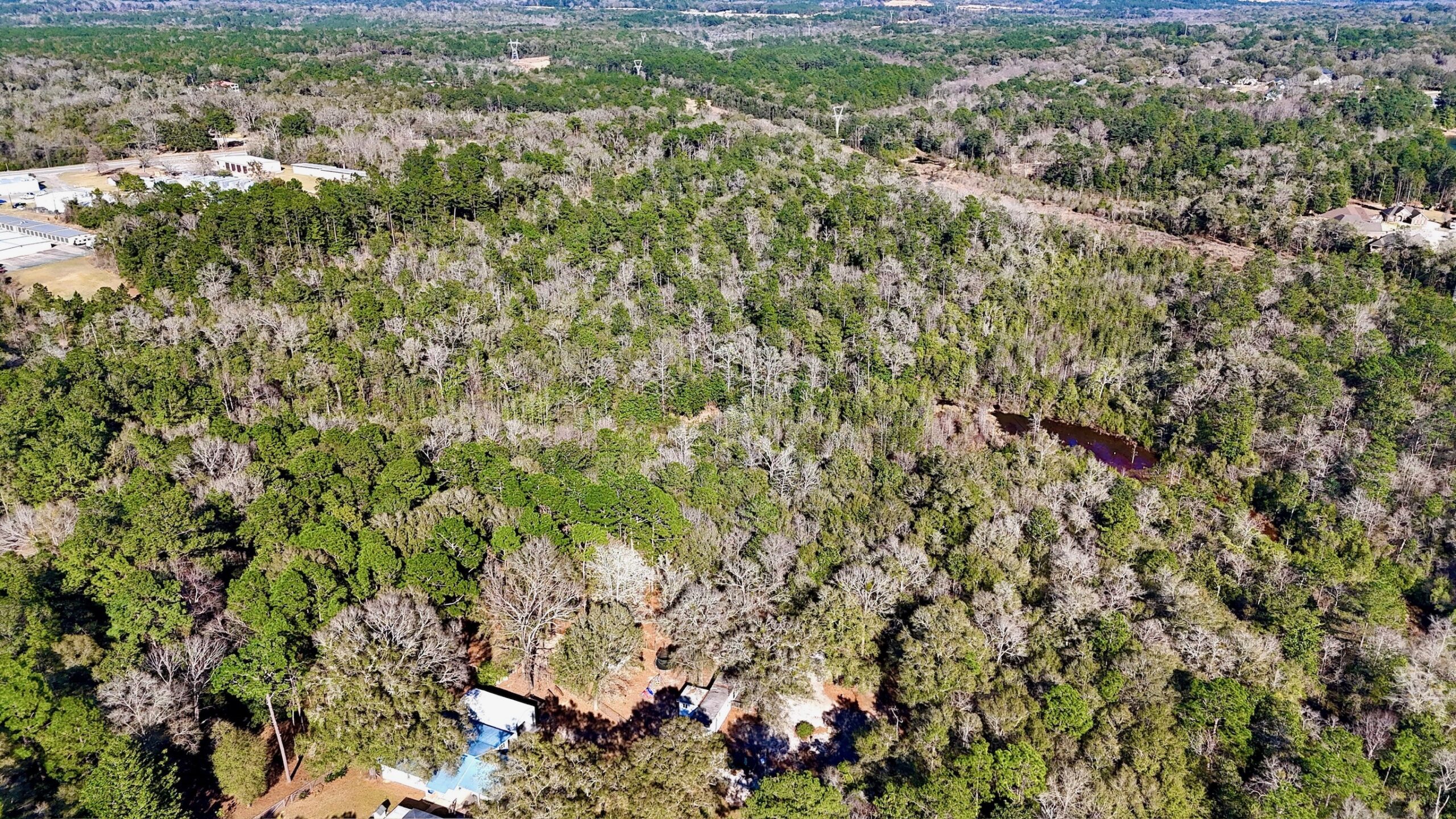
Before buying land in Mobile or Baldwin County, check zoning, road access, utilities, drainage, and flood risk to make sure the property supports what you plan to build.
2. Confirm who has jurisdiction of the property
Before you make plans around a parcel, confirm which local government has jurisdiction over it. The rules can differ depending on whether the property is inside a municipality or in an unincorporated area.
In unincorporated Mobile County, there are no zoning regulations. But depending on how you’ll use the property, you’ll still need to account for the following:
- Development standards
- Subdivision requirements
- Drainage rules
- Building permits
- Right-of-way requirements
Baldwin County is a little different. Some areas outside city limits fall within zoned planning districts, while others are unzoned. The county’s Parcel Viewer can give you a first look at a property’s status, but if zoning affects your plans, it’s worth getting formal verification.
You’ll also want to check for restrictions tied directly to the property, including deed restrictions, HOA rules, and limits on animals, businesses, or additional structures.
3. Verify the boundaries, road frontage, and legal access
Property lines aren’t always as obvious as they seem. A fence may be off by several feet, and a road or driveway that crosses neighboring land doesn’t automatically mean you have a legal right to use it.
Start with the survey. If there’s an existing one, review it closely. If the boundaries are unclear or the survey is outdated, you might want to have a new one completed.
Make sure to have a clear understanding of:
- The property’s acreage and boundary lines
- Road frontage
- Encroachments from neighboring properties
- Utility or drainage easements
- Access easements
- Whether the property has legal access to a public road
Note: When it comes to rural land, access deserves closer scrutiny. Some properties are reached by private or dirt roads, and not every road is maintained by the county. In Baldwin County, for example, a public road may exist without being part of the county-maintained road system.
4. Assess the ground, not just the map

Reviewing property boundaries is an important part of evaluating vacant land
Maps can show you boundaries, flood zones, and elevation, but they don’t immediately show everything that happens on the ground after a hard rain. Walk the property and look for the conditions that may affect where — and how — you can build.
-
Check how the property drains
Drainage matters in Mobile and Baldwin counties, especially after heavy rain. As you walk the property, pay attention to low spots, standing water, ditches, washouts, creek beds, culverts, and any signs that water regularly moves across the land. If possible, see the property after a good rain. A parcel that looks completely dry on a sunny day may show you a lot more once the ground is saturated.
-
Check flood and storm exposure
Review FEMA flood information along with any county mapping that’s available. Mobile County, for example, publishes both flood-zone and storm-surge maps. Being in or near a mapped flood area doesn’t automatically mean the property is a bad buy, but it can affect where you build, how high a structure may need to be elevated, what insurance costs, and how much site work may be required.
-
Pay attention to wetlands and waterways
Wetlands can be harder to identify just by looking at a parcel. Low areas, marshy sections, streams, or heavily wooded ground may all deserve a closer look. If part of the property may contain wetlands or other regulated waters, that could affect where you can clear, fill, build, or put in a driveway. In those cases, it’s best to get a qualified professional involved before you make plans around that part of the site.
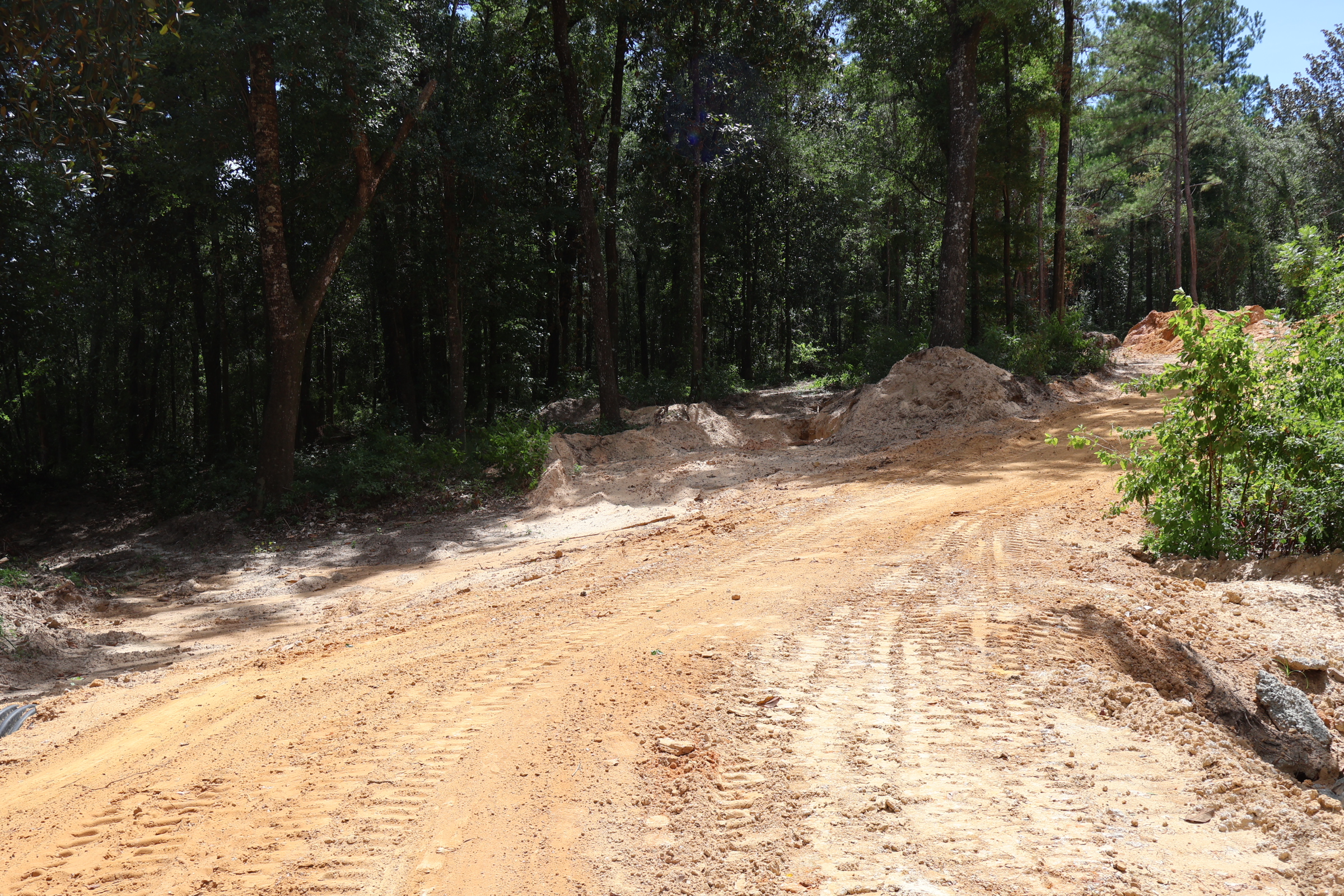
Buyers in Mobile and Baldwin Counties should confirm legal access, property boundaries, drainage, and the cost of preparing the site before purchasing.
5. Find out whether septic, water, and utilities will work
Before you settle on a homesite, confirm how septic, water, and power will work there. Those three systems can affect both where you build and what it costs to make the site usable.
- Septic: If public sewer isn’t available, you’ll likely need an onsite septic system. In Baldwin County, that starts with a perk test performed by a registered soils professional, with the results submitted to the health department. If the site has restrictions, an engineer may need to design the system.
- Water: Find out whether public water serves the property, whether there’s already a meter, and what connection or extension costs may apply. If public water isn’t available, you may need a well.
- Power: A nearby utility line doesn’t necessarily mean service will be simple or inexpensive. Confirm whether electricity can be extended to the homesite and what work will be required.
6. Add up what it will cost to make the land usable
A relatively inexpensive parcel of land can become pricey once you start adding in drainage work, septic, utility extensions, surveys, and permits. This is where comparing two parcels on price alone can be misleading.
One five-acre property might already have good road access, a suitable homesite, and utilities nearby. Another may cost less upfront but need a long driveway, an engineered septic system, and several hundred feet of new electrical service.
That lower-priced parcel may still be the right one. But the better comparison is what each property will cost once it’s ready for the way you plan to use it, not simply the price per acre.
7. Review the title and contract before your deadline
Some of the biggest land issues won’t be visible during a site visit. They may show up instead in the title work or in the terms of your purchase agreement.
Have the title work and contract reviewed carefully. A few terms and details worth watching for include:
- Easement: Gives another party the right to use part of the property, such as for access or utilities.
- Encroachment: A fence, structure, driveway, or other improvement that crosses a property line.
- Deed restriction or restrictive covenant: A recorded rule that limits how the property can be used or developed.
- Lien: A legal claim against the property tied to an unpaid debt or obligation.
- Mineral or other reserved rights: Certain rights may have been retained or transferred separately from ownership of the land itself.
- Due diligence and contract deadlines: Know how much time you have to complete surveys, perk tests, utility estimates, engineering work, and county approvals. Some of these can take time, so work backward from the deadline rather than waiting until the end of the due diligence period.
FAQs about vacant land in Mobile and Baldwin County, AL
Can I subdivide land after I buy it?
Possibly. but don’t buy acreage assuming you can divide it later without checking first. Road frontage, access, lot size, septic needs, utilities, and local subdivision rules can all affect whether the property can be divided. If subdividing matters to you, confirm what’s allowed before you buy.
Do timber or mineral rights automatically come with the land?
Not always. Some rights can be owned separately from the surface property, so don’t assume they’re included in the sale. Review the deed and title work to see whether any rights have been reserved or transferred.
Can I put a manufactured home on vacant land?
Not automatically. Whether a manufactured home is allowed depends on the rules and restrictions that apply to the property. Check the parcel’s jurisdiction, applicable development requirements, and any deed or HOA restrictions before you buy.
Buy land in Mobile and Baldwin County, AL with expert guidance
The right parcel is the one that works for what you actually want to do with it. Access, drainage, septic, utilities, restrictions, and site costs can matter just as much as acreage and price. The more you can confirm before closing, the clearer the decision becomes.
As Accredited Land Consultants, we know all the intricacies around land purchases. We enjoy helping buyers look at properties closely, and sort through the details that matter.
Buy vacant land stress-free. Just call us at 251.342.0600 or send us an email to get started.