


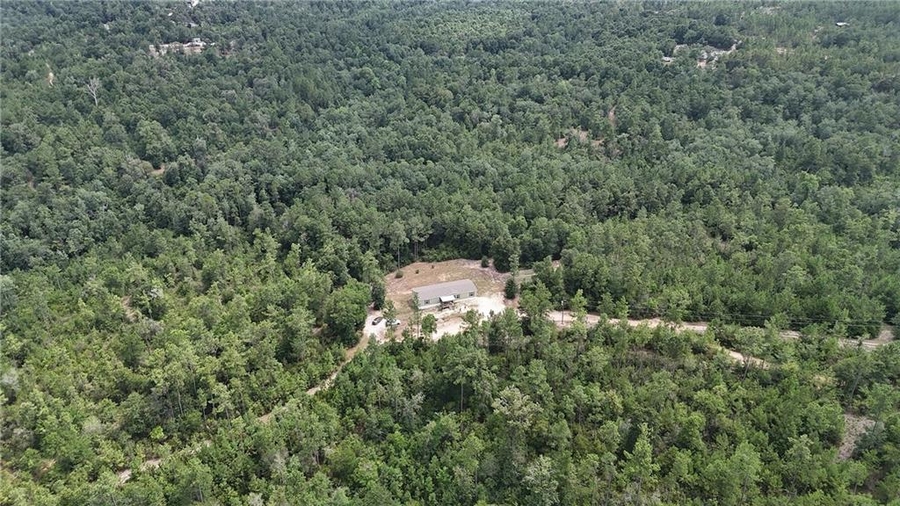
A survey is worth the extra step when access, acreage, or future plans are part of the decision.
Property lines in Mobile and Baldwin Counties are not always where they appear to be. Older surveys, waterfront conditions, and arrangements between neighbors can leave important questions unanswered. Whether you need a new survey depends on the property and how you plan to use it, but getting those answers before closing can help you avoid costly surprises.
If you’re considering land for sale in Mobile County, AL, or property in Baldwin County, here’s what a survey can reveal that a listing may not.
Table of Contents
- WHAT DOES A LAND SURVEY TELL YOU?
- IS A LAND SURVEY REQUIRED BEFORE BUYING LAND IN ALABAMA?
- WHEN IS A SURVEY ESPECIALLY IMPORTANT BEFORE BUYING LAND?
- A LAND SURVEY AND A TITLE SEARCH DO DIFFERENT JOBS
- WHAT HAPPENS IF THE SURVEY FINDS A PROBLEM?
- FAQS ABOUT LAND SURVEYS IN MOBILE AND BALDWIN COUNTY, ALABAMA
- KNOW THE LAND YOU’RE BUYING IN MOBILE AND BALDWIN COUNTY
WHAT DOES A LAND SURVEY TELL YOU?
A fence, tree line, or old metal marker may look like the edge of a property, but you don’t want to rely on that alone. On rural land in Mobile and Baldwin Counties, boundaries may not have been checked in years and what you see on the ground doesn’t always match the legal description.
That’s where a boundary survey comes in. A licensed surveyor reviews property records, measures the land, and identifies where the parcel actually begins and ends.
Depending on the type of survey, it may also show:
- Property corners and boundary lines
- Parcel dimensions and acreage
- Existing structures and improvements
- Fences and driveways near the property lines
- Recorded easements and rights-of-way
- Possible encroachments
However, a survey won’t answer every question about the land. Soil conditions, wetlands, septic suitability, and local zoning all require separate research, which is why a land survey should be treated as one part of the larger due-diligence process.
→ READ MORE: The essential due diligence checklist before buying land in Mobile and Baldwin Counties, AL
IS A LAND SURVEY REQUIRED BEFORE BUYING LAND IN ALABAMA?
Don’t assume every purchase requires a new survey—or that you can safely skip one. Ask your lender, title company, and closing professional whether they require a survey for this transaction.
Check your purchase agreement as well, so you know whether a survey must be completed before closing and who will order and pay for it. Even if no one requires one, you may decide it’s necessary to evaluate the land and your plans for it.
A survey establishes the surveyor’s findings about the property’s boundaries; it doesn’t, by itself, settle a dispute or determine your legal rights under an easement. If it reveals a conflict, review it with the surveyor and a real estate attorney before closing.
WHEN IS A SURVEY ESPECIALLY IMPORTANT BEFORE BUYING LAND?
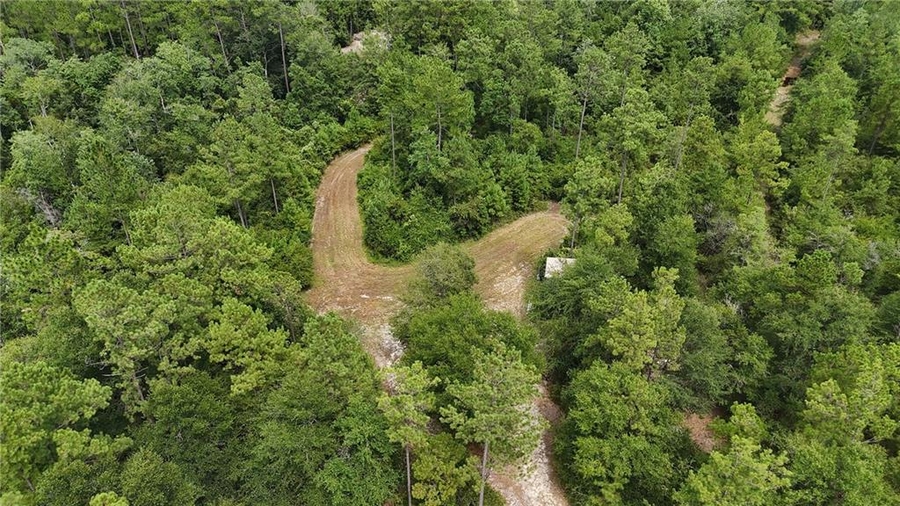
Before buying land in Mobile or Baldwin County, it helps to know exactly what you’re getting.
Before closing, a survey may bring these issues to light:
-
The property line isn’t where you thought it was
Fences, tree lines, ditches, and cleared areas often look like natural boundaries, but they aren’t proof of where the legal property line sits. A survey can show whether those visible features line up with the recorded boundary. If you’re buying acreage for privacy, hunting, pasture, or future improvements, even a small difference can change what you’re actually able to do with the land.
-
A structure or improvement crosses a boundary
An encroachment happens when an improvement extends over a property line. It could be something relatively small, such as a fence. It could also involve part of a driveway, shed, outbuilding, or other improvement.
Finding an encroachment doesn’t automatically mean the deal is over. It does mean you should understand the situation before you become the property owner and work with the appropriate survey, title, and legal professionals to determine what needs to happen next.
-
An easement affects the part of the land you want to use
An easement gives another person, utility, or entity certain rights over part of the property. Common examples include access, utilities, and drainage. Depending on its location and terms, an easement may affect where you can put a home, fence, driveway, or other improvement.
-
The access you see isn’t the access you own
While you may be able to drive through a gate and follow a gravel road straight to the property, it doesn’t necessarily establish that the property owner has a permanent legal right to use that road.
Before closing, understand:
- Whether the road is public or private
- Whether it crosses another parcel
- Whether a recorded access easement exists
- How wide the easement is
- Who is responsible for maintenance
- Whether the access is adequate for the buyer’s intended use
A LAND SURVEY AND A TITLE SEARCH DO DIFFERENT JOBS
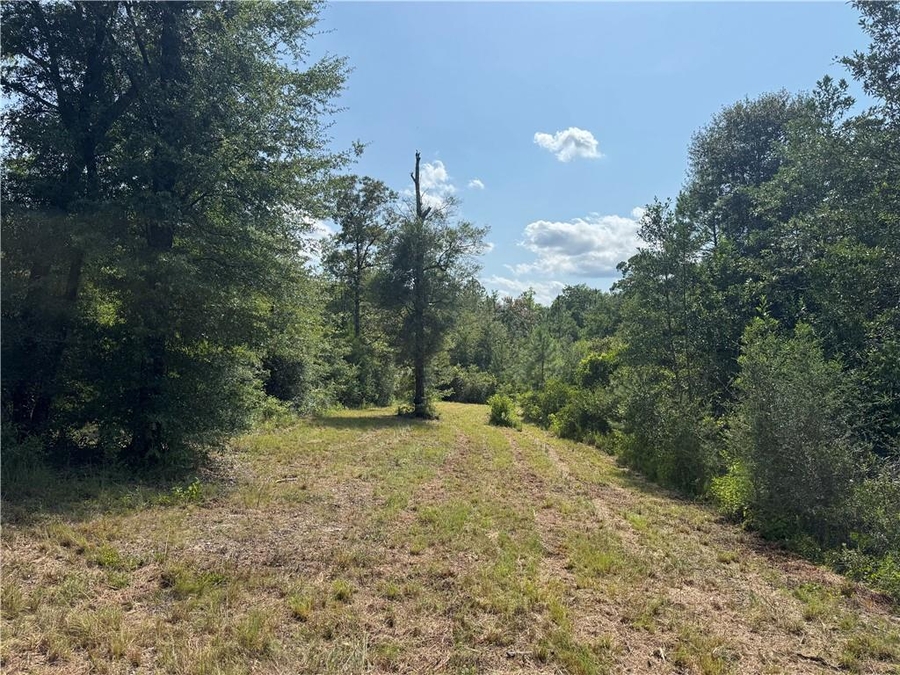
A survey and a title search cover different ground, and both matter before you sign.
It’s easy to assume a survey and a title search cover the same ground. They don’t.
Title research looks at ownership. A title company or attorney digs through recorded documents tied to the property and flags anything that could affect your ownership, such as liens, deed restrictions, easements, or other recorded interests.
A land survey in Mobile County Alabama looks at the land itself. It shows you where the physical boundaries actually sit, not just what’s written on paper. For example, a title search may show no recorded dispute over the property line. A survey could still reveal that a neighbor’s fence or shed crosses that line—something you’d want to know before closing.
WHAT HAPPENS IF THE SURVEY FINDS A PROBLEM?
Finding a problem doesn’t automatically mean walking away from the property. It just means you now know something you didn’t before, and you still have time to do something about it.
Depending on what turns up, your next move might be a conversation with the surveyor, the title company, your closing professional, or a real estate attorney. Or you might look at the issue and decide it doesn’t change anything—the property still works fine for what you have planned.
For the full picture of buying land here, see our step-by-step guide to buying land in Mobile County.
FAQS ABOUT LAND SURVEYS IN MOBILE AND BALDWIN COUNTY, ALABAMA
Do I need a new survey if the seller already has one?
Not necessarily, but don’t assume the old one is good enough. Start by checking when it was done, what type of survey it is, and whether anything on the property has changed since then.
Who pays for the survey when buying land in Mobile County, Alabama?
Whether the buyer, seller, or someone else picks up the cost usually comes down to how the purchase agreement is written. If a survey is something you want as part of your due diligence, bring it up early and get it in writing who’s ordering it and who’s paying for it.
Do I still need to think about a survey if I’m paying cash?
Yes. Paying cash may remove lender-specific requirements, but it doesn’t change the property itself. Boundary questions, easements, encroachments, and access issues can matter whether you finance the land or pay for it outright.
How do I find a land surveyor in Mobile or Baldwin County?
Power Real Estate can connect you with a qualified local surveyor and help you explain what you need to learn about the property, such as its boundaries, access, or a possible building area. Before hiring anyone, verify their license through the Alabama Board of Licensure for Professional Engineers and Land Surveyors, and ask what the survey will include, how long it will take, and what records they need from you.
KNOW THE LAND YOU’RE BUYING IN MOBILE AND BALDWIN COUNTY
Land is much easier to enjoy when you know what you’ve bought. A survey won’t tell you everything about a property, but it answers the question that matters most: where does this land actually begin and end.
Power Real Estate knows land throughout Mobile and Baldwin Counties and we know the questions that come up before a buyer feels ready to close. As Accredited Land Consultants, we help you look past the listing and get answers before you’re standing at the closing table.
Ready to start buying land in Mobile County, Alabama? Give us a call at 251.342.0600 or send us an email to get started.